






I’ve sold more than $3 million in portraits over my career, and I still don’t own the latest camera, stockpile expensive props, or pour money into paid advertising for my photography business.
After 28 years in business, I’ve learned that profitability isn’t about having more stuff. It’s about investing in the things that actually help you serve clients, make sales, and build a business that lasts.
So if you want to stop wasting money on things that don’t grow your photography business and start investing where it actually matters, hit play and enjoy the episode!
1. Stop Stockpiling Photography Props
Early in my career, I spent $500 on an antique baby buggy. I used it once.
That experience taught me something important. Clients aren’t hiring you because you own the trendiest backdrop or newest basket. They’re hiring you for the client experience and the artwork you create.
Instead, I use meaningful items from my clients’ lives, shop auctions, repurpose furniture, and create pieces that make my photography feel unique.
2. Think Twice Before Paying for Advertising
Paid advertising can work, but running profitable ads requires an entire collection of skills, from copywriting and targeting to offer creation and sales.
And marketing only generates the lead. You still need the photography sales process to turn that lead into a paying client.
For a local boutique photographer, I’d rather focus on:
- Relationship marketing
- Strategic partnerships
- Referrals
- Genuine connections with right-fit clients
3. Online Galleries Could Be Costing You Sales
This might be controversial, but I don’t use online client ordering galleries.
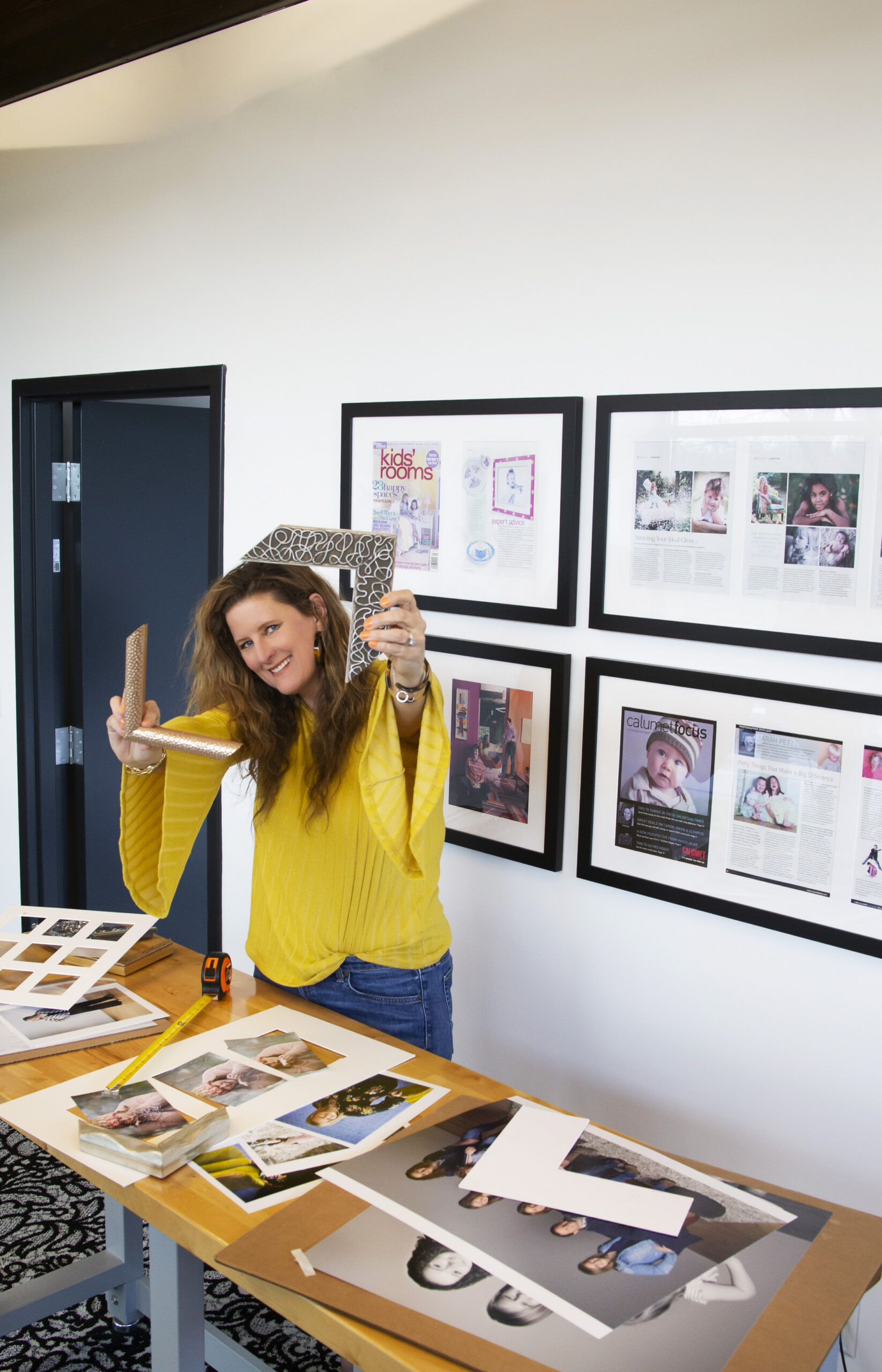
When clients are scrolling through images alone at home, they can quickly hit overwhelm and decision fatigue. Instead, I use boutique in-person sales presentations where I can guide clients through their images, help them visualize artwork in their homes, and create an emotional experience.
That in-person sales process has helped me create an average order well over $5,000.
4. Don’t Let Gear Become Ego Spending
I don’t constantly replace cameras or chase every new gadget.
Before buying a new tool, I ask three questions:
- Will it save me meaningful time?
- Will it help me make more money?
- Is this a true business need or simply something I want?
Your clients care about the portraits hanging on their walls, not what’s inside your camera bag.
5. Keep Your Lighting Simple
You don’t need a truckload of expensive lighting equipment to create beautiful, profitable work.
I use natural light whenever possible, a simple reflector, and the equipment I already own. Great client experience and strong selling skills matter far more than an elaborate lighting setup.
What I Spend Money On Instead
One word: education.
I invest heavily in conferences, mentorship, coaching, and business training because better gear doesn’t automatically improve your bookings or income.
Marketing skills do. Selling skills do. Business skills do. People skills do.
The biggest shift in my career happened when I stopped believing better photography equipment was the answer and started building the skills necessary to run a profitable photography business.
Your next level may not require another lens, prop, gadget, or subscription. Before you buy something new, ask yourself: Will this make me money, save me valuable time, or help me serve my clients better?
Put your resources where they can create real growth, and remember, you’re worth every penny.
RESOURCES
- Go from Hidden to Hidden to Hired this Season: Get the Formula
- Photography Business Tools to Get Started
- Join Our Facebook Group: We Are Portrait Photographers
- Learn About Boutique Breakthrough
- Subscribe & Review the Podcast